
Combat Mechanics
Read the wind-up and recovery before reacting to a game attack
Break a game attack into startup, active time and recovery. Use a controlled practice sequence to identify an opening instead of reacting only to the biggest animation.

Thoughtful game guides for curious players.
Break a game attack into startup, active time and recovery. Use a controlled practice sequence to identify an opening instead of reacting only to the biggest animation.

Separate a root from a stun by checking which actions remain available, then test the current game’s tooltips instead of treating every immobilisation alike.
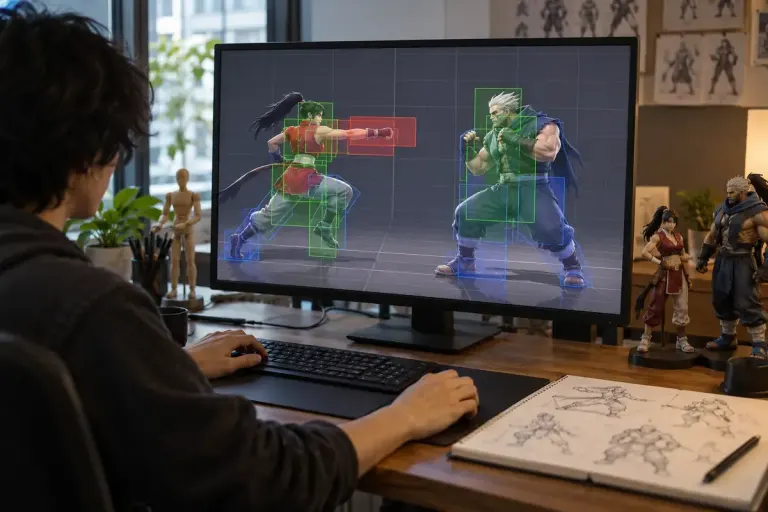
Understand the difference between an attack’s active collision area and a character’s vulnerable area, then use that distinction when reviewing a missed hit.

A damage effect may preserve stats from activation or update them during its duration. Use a controlled practice test before changing your buff timing.
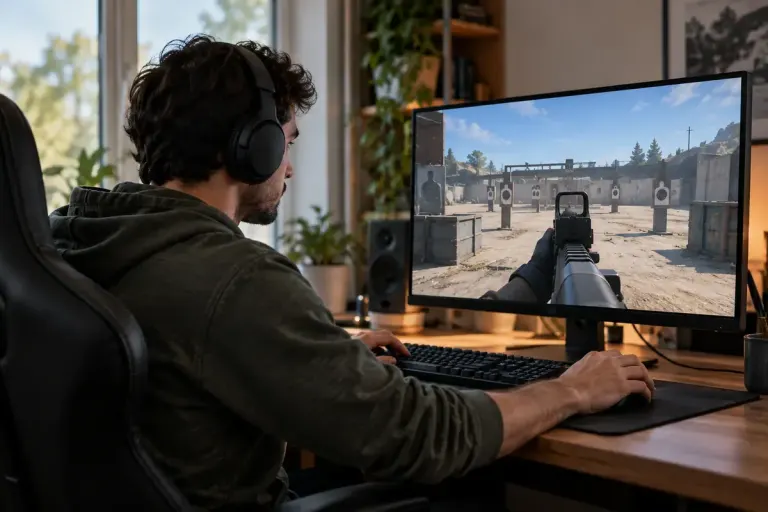
Weapon damage can change with distance. Compare range, hit location and game version before drawing conclusions from one large number on a target dummy.

Read interrupt and stun effects separately so you can understand cast stops, immunity and cooldown coordination in a boss encounter.

In games with friendly fire, position and communication matter as much as aim. Use a simple team routine to leave safe space for movement and attacks.
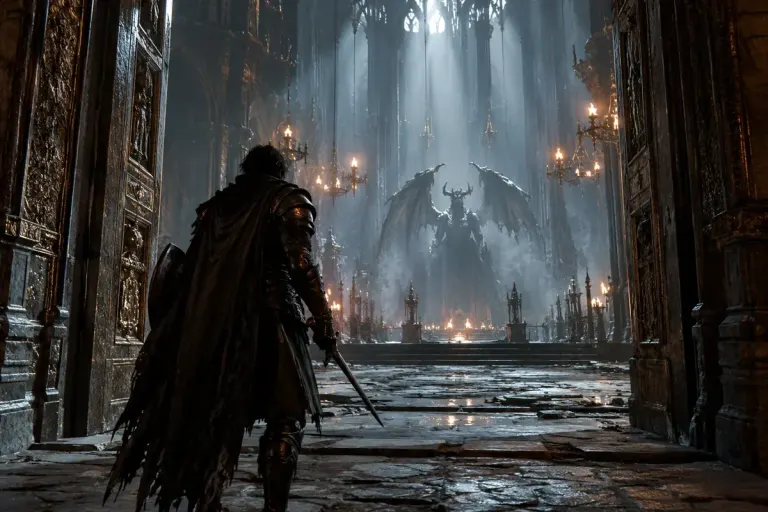
A boss that returns to full health may have reset after an encounter boundary was crossed. Track position and combat messages before changing your build.

Check whether rewards are personal, shared or assigned by a group rule before a boss encounter, and separate visibility from ownership and trading permission.