
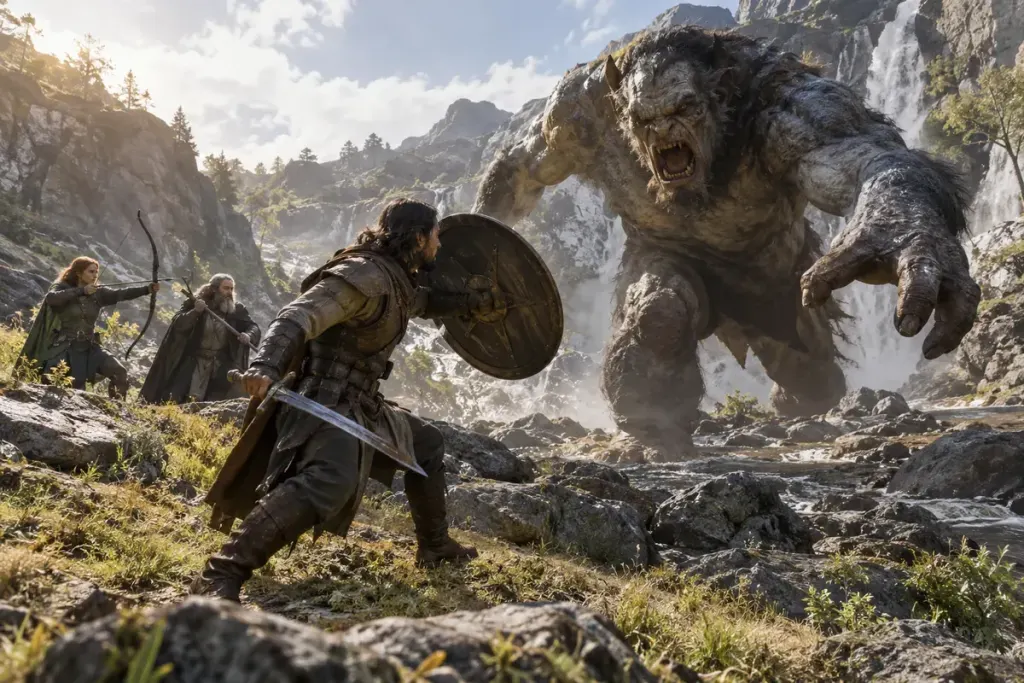
The player dealing the most damage is not necessarily the player a boss attacks. In games with threat or enmity systems, abilities and role mechanics can influence targeting separately from raw damage. Confusing the two makes a coordinated fight harder to understand.
The official Final Fantasy XIV Paladin guide, for example, describes Iron Will as increasing enmity generation. That is a concrete example of a targeting-related effect. It is not a formula that should be carried into every other game or encounter.
Read the effect alongside the damage number
Look for current ability descriptions mentioning enmity, threat, taunts or target selection. Check whether an effect changes generation, changes a position in a threat list or follows another rule. Similar words across games do not guarantee identical mechanics.
A damage meter answers a performance question about damage. It may not explain why an enemy changed targets. A boss can also have scripted attacks that choose players by mechanics unrelated to the normal threat order.
Use an encounter-specific question
After an unexpected target change, ask what happened immediately before it: an ability use, a phase transition, a new enemy or a scripted mechanic. Review the relevant game information and combat record where available instead of blaming whoever appears highest on the damage chart.
For a learning group, agree who is responsible for initiating combat and which signals matter during a planned handover. Keep the explanation tied to that game’s current rules. Testing an unfamiliar ability is better done in an appropriate practice setting than during a consequential group attempt.
The useful distinction is between dealing damage and managing enemy attention. Once those jobs are understood separately, the group can coordinate them without expecting one number to explain the entire fight.